
Family & relationships
Before the Wedding: What Counselling Is For
திருமணத்துக்கு முன் — Before the marriage, a quiet conversation.
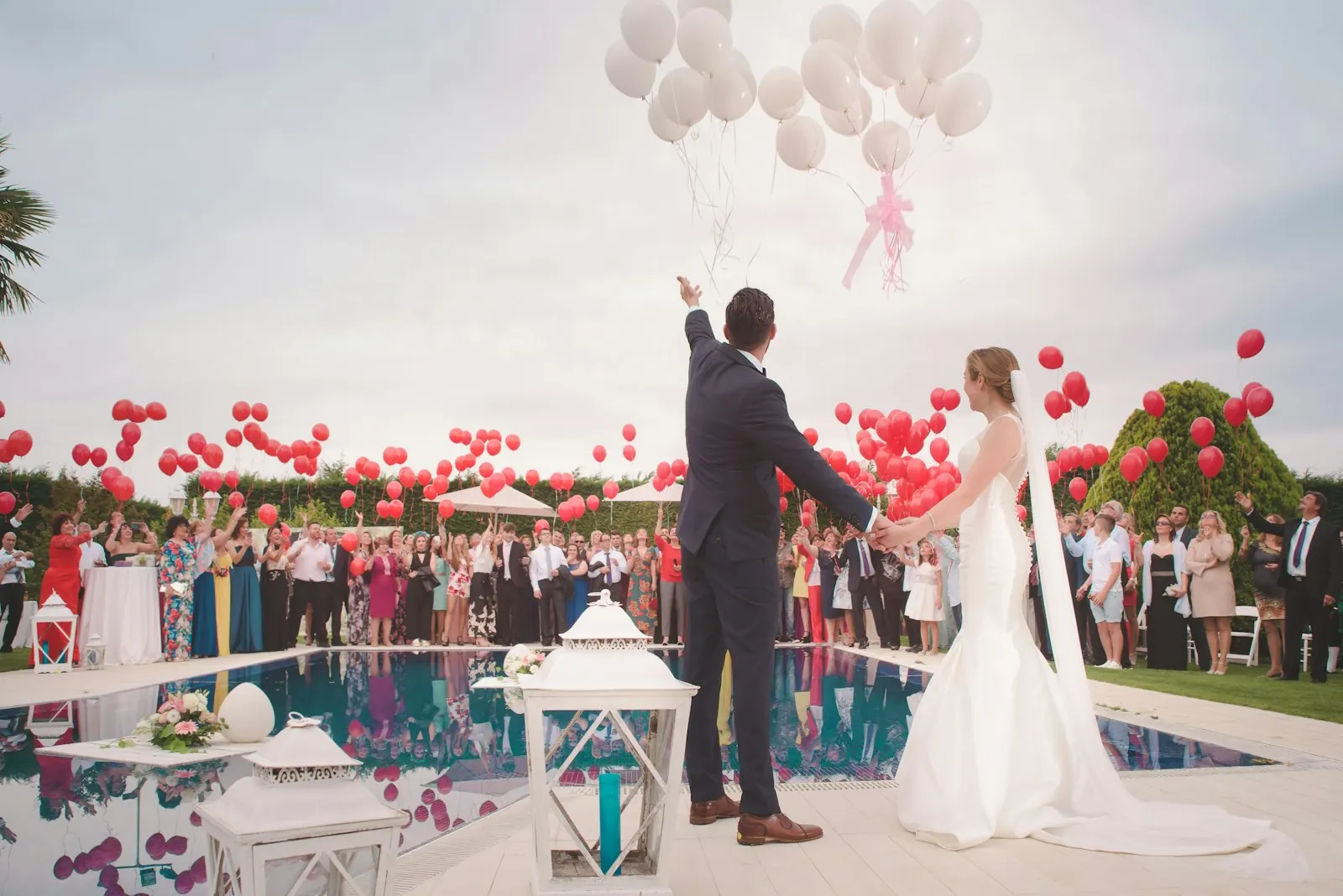
There is a season before every wedding when the house fills with people. Lists are made. Sarees are chosen. Relatives arrive with opinions and sweets. In all that noise, two people are about to begin a life together, and rarely does anyone ask them to sit down and simply talk.
That quiet conversation is what premarital counselling offers. It is not therapy for a broken thing. It is preparation for a shared one. Couples who complete structured premarital education show about 31% lower odds of divorce, according to one large study (Stanley et al., Journal of Family Psychology, 2006). The cost of asking early is small. The cost of silence is paid later.
Key takeaways
- Premarital counselling is preparation, not repair. It helps two people understand how they each think, argue, and hope.
- Across 117 studies, relationship education measurably improved communication (Hawkins et al., 2008).
- It works for arranged and love marriages alike, and welcomes the family context Indian couples already live within.
- A few honest sessions before the wedding can lower the distress that often surfaces in the first married years.
What does premarital counselling actually cover?
Premarital counselling covers the ordinary subjects that quietly decide a marriage: how you communicate, what you each expect, how money is handled, the place of in-laws, intimacy, and the way you argue. A meta-analysis of 117 studies found relationship education improved communication with a moderate effect (Hawkins et al., 2008).
[IMAGE: two people writing on paper at a kitchen table, warm tone - Pixabay search “couple planning table”]
None of these topics are dramatic. That is the point. Marriages rarely break over one great catastrophe. They wear thin over small, repeated misunderstandings that nobody named in time.
A counsellor helps you name them. How do you say you are upset? What does “saving money” mean to each of you? When his mother calls every evening, what does that mean to her, and to you?
[UNIQUE INSIGHT] In our experience, couples expect counselling to be about big secrets. Almost always, the useful work is about small habits, who apologises first, how silence is read, whether a raised voice means danger or just heat.
A claim worth quoting: structured premarital education is associated with roughly a 31% reduction in the likelihood of divorce, based on a survey of married couples in four U.S. states (Stanley, Amato, Johnson & Markman, Journal of Family Psychology, 2006).
Communication and conflict styles
We all learned to argue somewhere, usually from the home we grew up in. One person goes quiet to keep the peace. Another raises their voice to be heard. Neither is wrong, but together they can confuse each other for years.
The Gottman Institute found that certain communication patterns predict divorce with about 93.6% accuracy. They named four warning signs, criticism, contempt, defensiveness, and stonewalling (The Gottman Institute). Counselling helps you spot these early, while they are still gentle to change.
Money, expectations, and in-laws
Money is rarely about money. It is about safety, respect, and who decides. So is the question of in-laws, which in India is not a side issue but often the centre of married life.
[PERSONAL EXPERIENCE] We have found that couples who talk plainly about joint families, finances, and festivals before the wedding carry far less resentment into the first year. The conversation is awkward once. The silence is awkward forever.
Is needing counselling a sign of doubt?
No. Needing counselling is not a sign of doubt, and this fear keeps many couples away. Preparing for marriage is no more a confession of weakness than studying before an exam. In India, around 1.1% of ever-married women report being currently divorced or separated, a low figure that is slowly rising (NFHS-5).
[CHART: simple bar - “divorce/separation rate among ever-married women in India, NFHS-5” - source NFHS-5]
Think of it differently. You would not begin a long journey without checking the road. You would not sign a partnership without reading the terms. Marriage is the largest agreement most people ever make, and somehow we expect it to run on instinct alone.
Doubt hides things. Preparation brings them into the light. A couple sitting with a counsellor before the wedding is not less in love. They are more awake to what love will ask of them.
A claim worth quoting: communication problems are not a footnote in failed marriages. Research from the Gottman Institute links specific negative interaction patterns to divorce prediction accuracy near 93.6% (The Gottman Institute).
And here is a quiet truth. The strongest couples are often the ones who book the session, not because they are worried, but because they take the thing seriously.
Does it work for arranged marriages too?
Yes, and arguably more so. In an arranged marriage, two people meet as near-strangers and are asked to build intimacy on a short timeline, often with families closely involved. Counselling gives that new pair a structured, neutral space to understand each other, the kind of space the meta-analysis of 117 studies links to better communication (Hawkins et al., 2008).
[IMAGE: two hands almost touching across a table, soft natural light - Pixabay search “hands table intimacy”]
In a love marriage, you have shared time but perhaps avoided hard questions because the romance felt enough. In an arranged marriage, you have the hard questions but little shared history. Counselling meets both where they are.
[UNIQUE INSIGHT] The arranged-marriage couple has one quiet advantage. They already expect to work at understanding, because nothing was assumed. Love-marriage couples sometimes assume understanding they have not actually tested.
The Indian reality is that families are part of the marriage, not outside it. A good counsellor does not fight this. They help the couple decide, together, how to honour family while protecting the small private world that belongs only to the two of them.
How early should a couple begin?
Begin a few months before the wedding, when there is still calm to think. Most structured programmes run across several short sessions, and the research base, 117 studies in one review, draws on exactly this kind of brief, focused education (Hawkins et al., 2008). Earlier is better than the week of the ceremony.
[PERSONAL EXPERIENCE] We have noticed that couples who come early treat the sessions as discovery. Those who come in the final rush treat them as one more task to finish. The discovery is where the real value lives.
That said, no time is wrong. Some couples come after the engagement, some in the first married months, when small frictions begin to show. The door does not close on the wedding day.
Common questions
Will the counsellor tell us not to marry?
No. A counsellor’s work is not to judge whether you should marry. It is to help you see each other clearly and decide for yourselves. The sessions surface questions and patterns. What you do with that understanding remains entirely yours, in your own time, on your own terms.
Is everything we say kept private?
Yes. Confidentiality is the foundation of counselling. What is spoken in the room stays in the room, including from family members who may be paying or asking. This privacy is precisely what lets couples speak honestly about money, intimacy, and in-laws, the subjects that are hardest to raise anywhere else.
What if only one of us wants to come?
That is still worth something. Ideally both partners attend, since marriage is a shared project. But one person learning to communicate better, to listen, to name feelings calmly, changes the conversation at home. Many couples begin with one willing partner, and the other joins once the value becomes clear.
A quiet beginning
Before the wedding, everything moves fast. The counselling room is one of the few places that asks you to slow down, sit beside the person you have chosen, and speak plainly about the life ahead.
Nothing here promises a marriage without difficulty. No honest practice would. What the research suggests, and what we have seen, is that couples who prepare carry less hidden weight, argue with less cruelty, and forgive a little faster.
Stillness before clarity. That is all this is. A short, unhurried conversation now, so that the louder years to come have something steady underneath them.
மனசோடு பேசலாம் — Let us talk, heart to heart.